How Adult Children Can Set Boundaries With Their Parents
Adult Children Set The Rules for How They Live. Adult children often ask me to coach them on how to deal with parents…
They called it portability: the dream that the stitched-together ecosystem of corridors, contours, and codes could be folded, carried, and reassembled in the palm. Civil design lived for years in rooms where machines were bolted to desks and licenses hummed like air conditioners. Then a file began to travel.
Ethics creep in where licenses and access meet. Democratizing design tools flattens gatekeepers but raises questions: will lower barriers yield better cities, or chaos? Will portability surface latent inequities—projects made but never reviewed, infrastructure planned without liability, models shared without provenance? The portable file must carry more than geometry; it must carry history: who edited, why a corridor deviated, which standard informed a pavement section.
In the end, portability is an ethical and technical design brief. It asks: how do we carry responsibility with our tools? How compact can fidelity be without losing accountability? The true portability of AutoCAD Civil 3D is not a zipped executable; it is the capacity to move expertise, provenance, and constraints along with the model—so that when a road is drawn at dawn on a tablet at the roadside, the city that will use it at dusk can trust it was drawn with care. software portable autocad civil 3d
Questions remain folded into the deliverable: who owns the portable model when multiple hands touch it? How do we guarantee continuity of standards across disconnected edits? Is portability a liberation or an acceleration of error? The answers are not only technical; they are civic.
Carry the file. Carry the rulebook. Carry the trace of why decisions were made. Portability without provenance is merely portability of possibility—beautiful, but possibly dangerous. Portability with provenance becomes a tool for accountable creation, and then the portable Civil 3D is not just software in a bag: it’s a distributed conscience for the built environment. They called it portability: the dream that the
Technically, portability forces rethinking scale. Civil data are fractal—detailed at the node, global at the network. A portable Civil 3D must be smart about context: summarize when remote, fetch detail when local; maintain validity checks that prevent a field edit from propagating errors upstream. It must embed compact rule engines: grading rules, pipe hydraulics approximated but safe, coordinate transforms that survive offline work. Sync becomes negotiation, not replication.
There are compromises. The portable build concedes heavy rendering, complex simulations, and integrated databases; it bets on nimble geometry, interoperability, and data serialization. It insists on standards—IFCs, LandXML, shapefiles—because the promise of mobility is realized through exchange. In its reduced state, Civil 3D becomes a translator: a bridge between intent and an ecosystem of tools, a curator of constraints rather than an oracle. Ethics creep in where licenses and access meet
On the screen, corridors were not just lines but decisions—setbacks, cut-and-fill, the argument between earth and intent. Profiles became narratives of rise and fall, a topography of choice. Civil 3D translated intent into geometry and geometry into obligation: a road must slope, a pipe must drain, a system must obey gravity and regulation. The portable version carried this language into unexpected spaces.
Imagine a workflow: a student sketches with a stylus on a tablet, the portable Civil 3D enforces a local superelevation rule, the sketch is flagged, synchronized to a server where a fuller model ingests it, runs deep analysis, and returns annotated corrections. The portable tool becomes a partner, not a silo—an interlocutor between imagination and regulation.

Becky Whetstone, Ph.D., is a licensed Marriage and Family Therapist in Arkansas and Texas* and is known as America’s Marriage Crisis Manager®. She is a former features writer and columnist for the San Antonio Express-News and has worked with thousands of couples to save their marriages.
She can work with you, too, as a life coach if you’re not in Texas or Arkansas. She is also co-host of the YouTube Call Your Mother Relationship Show and has a telehealth private practice as a therapist and life coach via Zoom.
You can contact her here. And don't forget to check out her therapy site at DoctorBecky.com. When she's not writing on her own blog, you can find her features on Huffington Post and Medium.
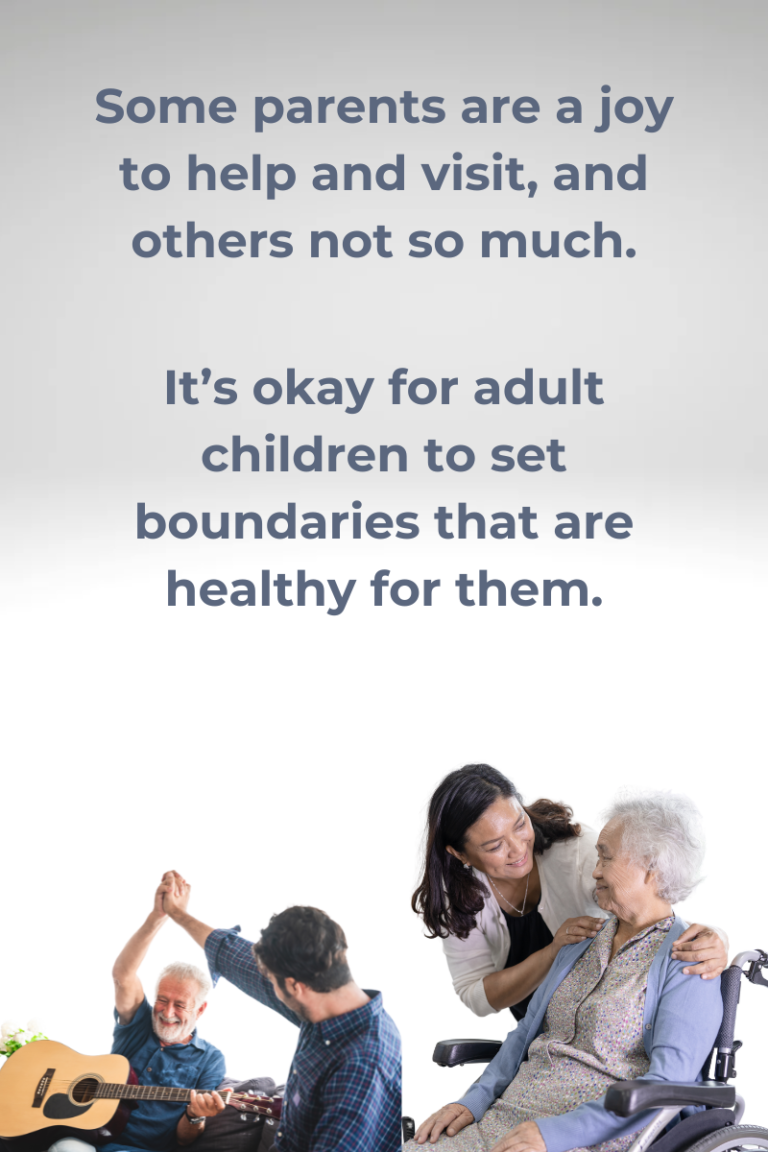
Adult Children Set The Rules for How They Live. Adult children often ask me to coach them on how to deal with parents…

Huffington Post blogger Brittany Wong recently quoted Dr. Becky in an article focusing on the discussions couples need to have before getting…
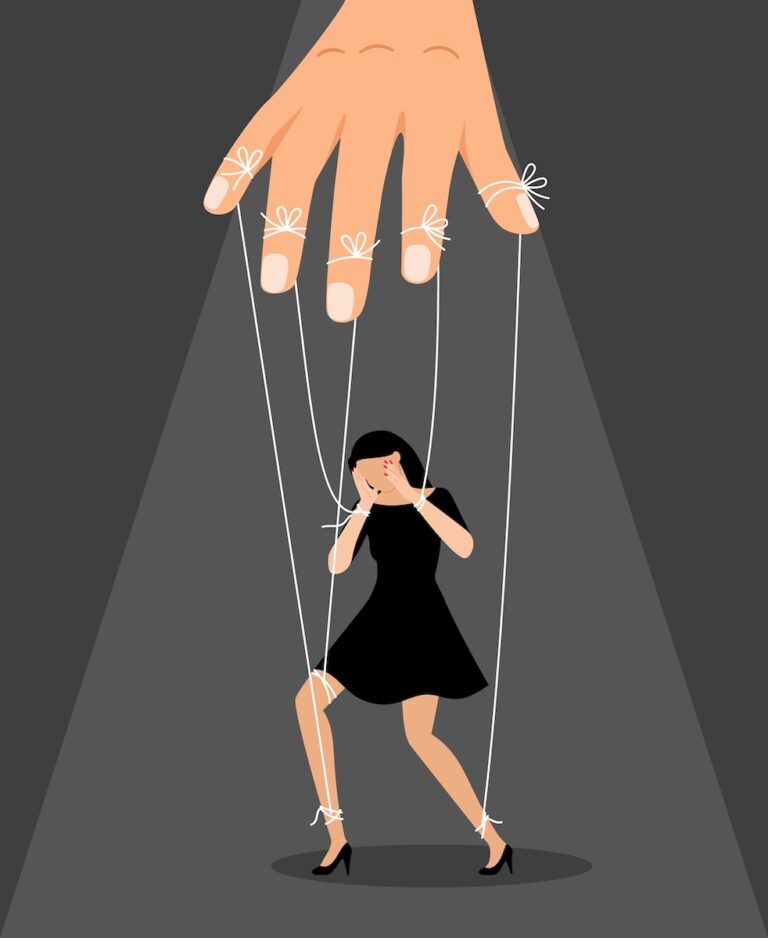
Expectations of one adult to another are an enormous waste of time, as is wishing the person was different than what they are, but controlling partners are usually full of them. Think about how completely ridiculous it is: I have a variety of rules and guidelines in my head that I expect you to follow, or I’ll be mad at you. Who in the heck do these people think they are?
Old friends are getting together again after 30 years; what a tale my friend told about her 35-year unhappy marriage and…
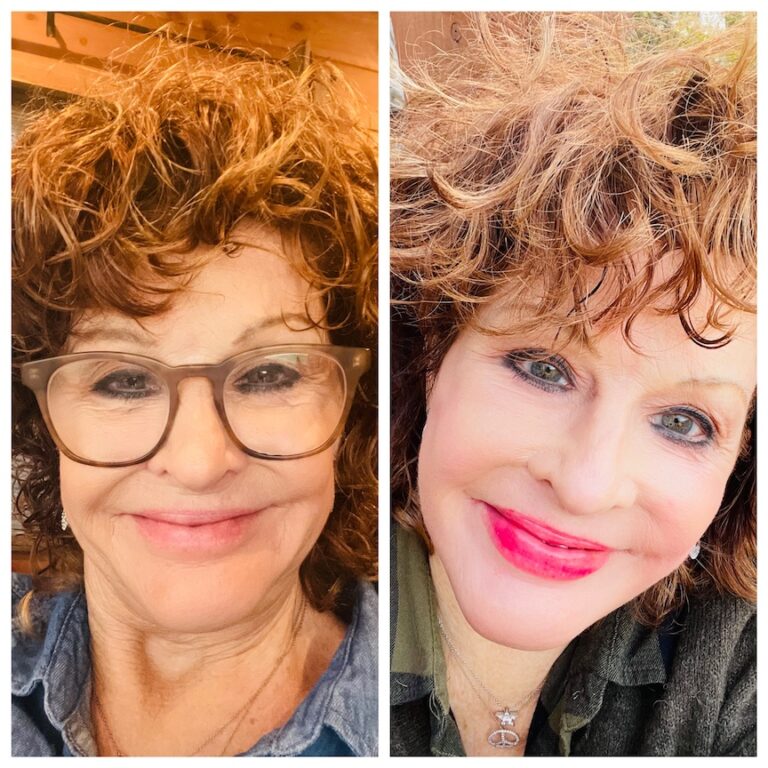
Aging your way and making age-related decisions for yourself by Becky Whetstone, Ph.D. Should people do all they can cosmetically and…
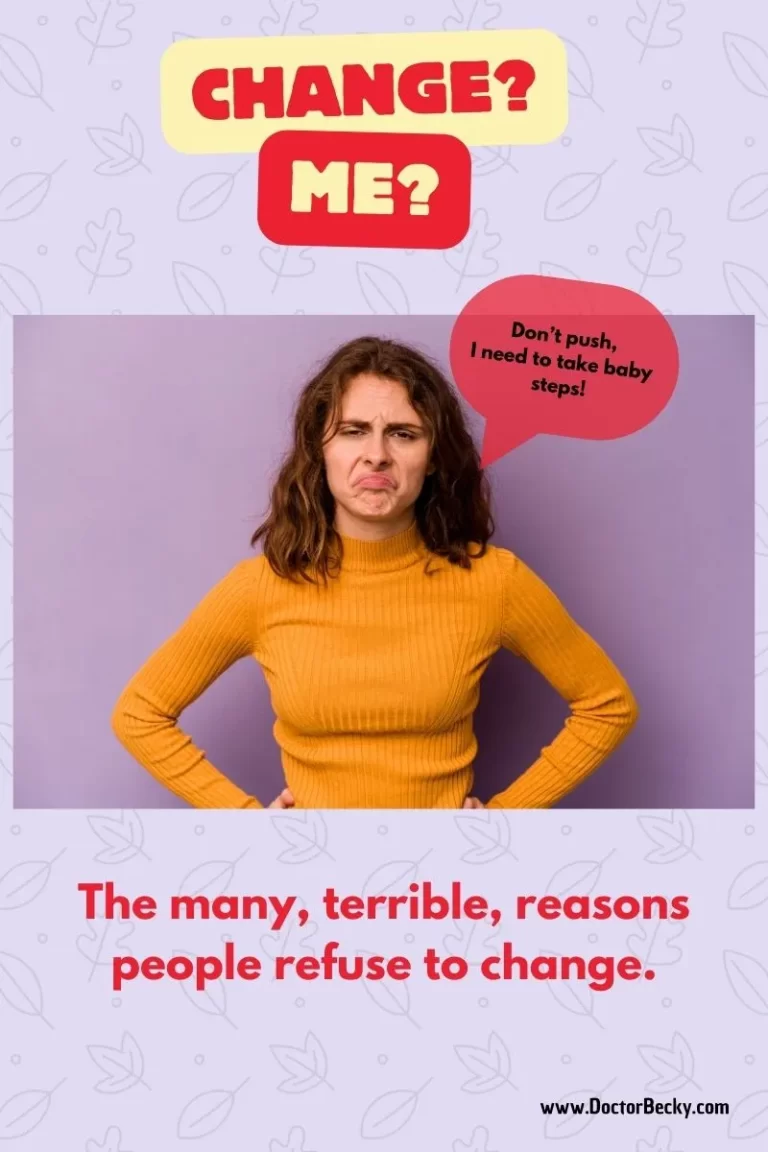
Therapists are human; if they’re like me, they root for their clients. It’s sometimes painful to watch when they refuse to…
SIGN UP BELOW and
We promise not to abuse it or bombard you with spam, and we will never sell it.
No products in the cart.